
Standing in water by the end of your shower?
Hair and soap can build up until the tub or shower barely drains. We’ll clear the line carefully, run the water to make sure it’s moving, and leave the bathroom clean.
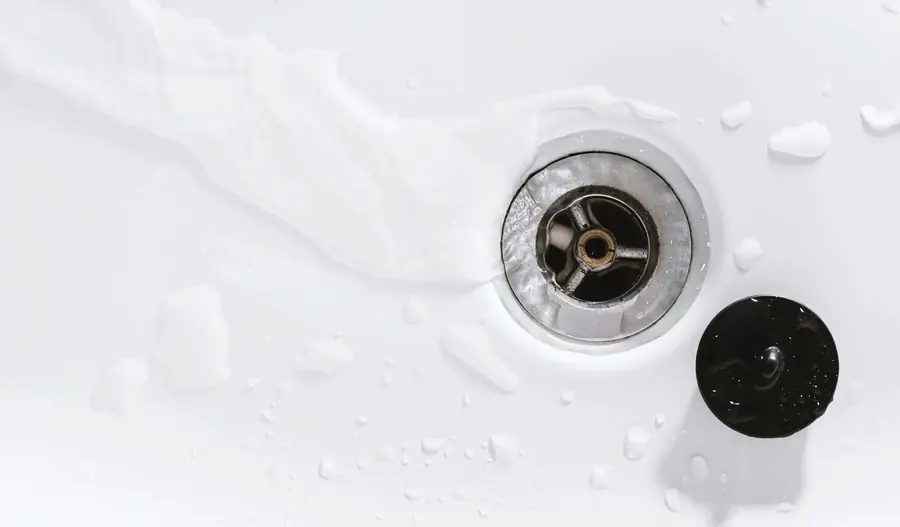

Remove the buildup and get the water moving.
- Hair and soap residue
- Standing shower water
- Recurring slow drains
The clog usually gets a little worse with every shower.
First the water lingers for a minute. Then you notice a smell, hear gurgling, or finish a shower ankle-deep in water. Those clues tell us where to start.
Water pools around your feet
A drain that cannot keep up with the shower is usually narrowed by hair, soap, and product residue.
Drain odors return
Debris caught below the strainer can hold organic material and create a persistent bathroom smell.
The drain gurgles
Gurgling or movement at a nearby sink may mean the shared bathroom branch is restricted.
We open the drain without making a mess of the bathroom.
We cover the work area, check the stopper and trap, and use smaller equipment made for bathroom branch lines.
Inspect the fixture
We check the stopper, strainer, trap, and nearby drains to understand where the restriction begins.
Clear the buildup
Professional cable and cleaning heads remove hair, soap residue, and compacted debris from the line.
Test the drainage
We run the fixture, confirm steady flow, check the work area, and leave the bathroom tidy.
The right-sized equipment protects the fixture and pipe.
Tub and shower drains have tight traps and smaller branch lines. Our technicians choose access and equipment deliberately, especially around older piping and delicate finishes.
- Work area covered before service
- Stopper and strainer components inspected
- Compact equipment sized for bathroom piping
- Flow tested with the fixture fully running
Use a hair catcher and clean it often.
A well-fitted strainer reduces what enters the line, but a drain that is already slow should still be professionally cleared.
What people ask about slow bathroom drains.
We’ll tell you whether the clog is right at the fixture or farther into a shared bathroom line before we start.
Hair, soap residue, and bathroom products can collect around the stopper, in the trap, or farther into the drain line. As the buildup grows, water drains more slowly and may begin pooling during a shower.
Chemicals may damage some piping and create a hazard for anyone opening the drain afterward. Mechanical cleaning is usually safer and more complete.
The line may still have buildup on its walls, the trap may not have been fully cleaned, or the restriction may be deeper in a shared branch.
They often join the same branch line. If both fixtures are slow or one gurgles when the other runs, the shared line may need service.